


Spend smarter, live happier
Nearly 75% of all Americans experience a level of financial regret.1 Managing your finances can be challenging, and we’re here to help you along the journey to financial stability.
Learn more


Master card spending with digital card control
From setting spending limits to freezing misplaced cards, it’s easy to keep card usage in-line right from your banking app.
Learn more


From debt to financial freedom
If you’re struggling with debt, a few easy and actionable steps can help you recover. Watch this helpful video to find out how.
Watch now


Build a budget that protects your future finances
Buying now and paying later creates financial burdens down the road. Protect your tomorrow — build a budget that allows you to pay for what you need when you need it.
Get budgeting adviceSection 1: Financial Literacy
Equip yourself to empower your wallet
Financial literacy gives you the tools you need to budget wisely, borrow effectively and save smartly. From budgeting suggestions to loan management and investment tips, these curated resources are designed to help you understand how to manage your money wisely so you can reach your financial goals.

Quiz
Test your financial IQ
From budgeting basics to investment insights, put your financial knowledge to the test and unlock valuable tips to help you reach your goals.
 Take the quiz >
Credit Score
Five factors that impact your credit score
Understanding what factors influence your credit score will help you know what decisions to make to yield positive results. And remember, building good credit takes time!

Imposter scams are the leading fraud category
Scammers will impersonate financial institutions, government officials, distressed relatives, businesses or tech support to gain access to your sensitive information.
Losses from investment scams have been on the rise
These scams often promise high returns through lucrative opportunities like cryptocurrency.
Social media can be a hot spot for fraud
Scammers hack your profile to gain access to your personal information, impersonate you and con your contacts.
New credit inquiries
Too many credit checks can lower your score, so be mindful of how many credit applications you apply for within a short period of time.
Credit mix
Variety is the spice of life (and good credit). Having different types of credit will have a positive impact on your overall score.

Loans
The nuances of loans:
Understanding personal, auto and home loans
Learn what makes them different so you know how to approach each one.
Learn more >Personal loans
A versatile loan that can be used for several purposes, such as consolidating debt, funding a vacation or covering unexpected expenses. The average personal loan term is between two and seven years.
Auto loans
A loan specifically designed to help you finance a vehicle, with the auto serving as collateral for the loan. The average auto loan term is up to seven years.
Mortgages
A long-term loan used to buy a home or real estate property, with the property itself serving as collateral. The typical mortgage loan term is 15 or 30 years.

Mastering loans
Learn to borrow wisely and make a budget that keeps your finances in perfect harmony.
Borrow responsiblyBefore taking out a loan, make sure it’s necessary. Take a hard look at your current financial situation and your future goals to ensure you’re making a smart decision.
Budget for successTo avoid overstretching your financial limits and keep your expenses in check, develop or refine a detailed monthly budget.

Interest rates:
Fixed rate versus variable rate Fixed rate:Loans with a fixed interest rate offer predictability in monthly payments as the interest rates remain constant throughout the entire loan term.
Variable rate:Variable interest rates can fluctuate based on market conditions, which may lead to changes in your monthly payment amount.
Investment
Become an investment expert
Investing can open the door to a brighter financial future. Here’s a snapshot highlighting the differences between types of investing:
Loans with a fixed interest rate offer predictability in monthly payments as the interest rates remain constant throughout the entire loan term.
When you invest in a bond, you’re essentially lending money to a company or government. In return, they promise to repay you the full amount plus interest over a set period.
Investing in mutual funds and EFTs is a low-maintenance investment method. Your money is pooled with other people’s to be invested in a mix of stocks and bonds. An investment professional manages the stock choices on behalf of everyone involved in the fund.

Section 2: Card Management
Manage your cards from anywhere
You already do so much on your phone, and now you can add managing your cards there too. Whether you need to track your spending, lock a misplaced card or even set travel alerts, do it all right from your banking app.


Card Management Features
Explore how much more control you can have over card spending with these useful features:
Rather than cancel a misplaced card, easily report and freeze it with just a few taps. Once located, you can easily unfreeze the card for use.
No wallet or plastic required; you can pay online and in stores with just your phone. Plus, you can even use your phone to withdraw cash at select ATMs.
Track every tap, click and checkout to help manage your card spending.

Keep your money monitored, your cards under control and your stress suppressed.
Easily tracking and managing your cards lets you ...
See more >
Feel empowered
- Turn cards on/off anytime, anywhere
- Know where your cards are stored online
- Set spending limits

Stay informed
- Track transactions with merchant names
- Keep an eye on spending with just a glance
- View merchant name, location, logo and more

Feel secure
- Report lost or stolen cards in seconds
- Set alerts to receive instant notifications of card activity
- See spend details updated in real time
Quiz
Find out how much you know about smart spending habits
After each question, you’ll learn how Card Management can make managing your money easier.
 Start quiz >
Gain insights into your spending
Intuitive
From grocery spending to online shopping, color-coded spending trends make it easy to evaluate where your money is going.
Detailed
View month-over-month graphs to see how much you’re spending on everyday expenses, traveling and even self-care needs.
Budget-friendly
Information is broken down in a way that simplifies keeping an eye on all your subscriptions and recurring payments.

Section 3: Budgeting Tips
Dollars and sense: A guide to budgeting
A budget helps you take control of your finances. Whether you're saving for a vacation or a new vehicle, or just want to stop living paycheck to paycheck, setting smart goals and tracking your spending can help shift the power dynamic to put you in charge of your expenses instead of the other way around.


Budgeting
The 50/30/20 rule
Ever feel like your money vanishes in the blink of an eye? The 50/30/20 rule is an easy-to-follow tip to help you extend your paycheck.
50% needsHalf of your monthly earnings should go to rent/mortgage, groceries and utilities so that all your basic needs are covered. You can set up auto pay for recurring “needs” payments so you never miss a due date.
30% wantsThis is the amount you can spend on whatever your heart desires. Splurge on an outfit, pay for streaming services or sign up for a gym membership.
20% savingsSet yourself up for success so that an emergency doesn’t force you to cut back even further on your spending.
Tip:Open a separate savings account. Keeping emergency funds out of reach until you actually need them helps ensure you won’t use them for the wrong reasons. And set up automatic transfers so you don’t even have to think about transferring money into savings on payday.
Quiz
Test your budgeting skills
Having a budget is one thing; tracking it is another. So, how well do you keep track of yours? From understanding fixed expenses and knowing when to reevaluate your monthly spending, use this quiz to test your knowledge and learn new ways to budget more effectively.

- What should you do if your expenses exceed your income?
- What is credit utilization?
- How often should you review and adjust your budget?


Section 4: Financial Wellness
Mitigating stress with smart financial choices
Financial stress can unfortunately impact more than your bank account. It can also impact your health. To help mitigate the impacts of one on the other, follow the advice in this section to see how you can ease money-related anxiety and help you find peace of mind.
Buying Tip
The three-day rule
If something has caught your eye, give it three days before purchasing. The three-day rule:
Cuts down on impulse buys (goodbye, buyer's remorse!)
Gives you time to think if you really need it
Protects your wallet and helps your peace of mind
After the wait, if you still want it and it fits your budget, then go for it! If not, you can rest easy knowing you just saved yourself from an impulse buy that you didn’t need.

Financial wellness tips: Small steps with big impact
Get tips >
Stick to your budget
Mindful spending will lead you to peace of mind. Online banking tools can help you keep your finances in check and track your spending patterns, helping you discover areas where you can save. Remember to set realistic goals — expecting too much of a change too soon will only leave you feeling overwhelmed.

Calm your stress level without breaking your bank
You don’t have to face your finances or financial stress alone. Even if money is tight, there are still resources that you can use to boost your financial health and mental well-being.
From community support groups to free online financial therapy tools, there are plenty of low-cost ways to get the guidance you need. Investing in your peace of mind is always worth it, and it doesn't have to cost a fortune.

Dream big, plan smart
Big dreams don’t have to remain dreams. Start by breaking down big money goals into manageable tasks and celebrate small wins. Create a savings tracker that helps you visualize your progress and take note of areas where you can save when you might usually splurge. Financial wellness isn't about being perfect; it's about progress. Every small step counts.


What makes something an impulse purchase?
Before you buy, ask yourself if the potential purchase is:
- Unplanned
- Emotionally driven
- Not within your budget
- Unnecessary
Quiz
Assess your financial well-being
Test how well you’re adopting financial wellness practices, gain insight into how you manage your financial stress and discover tips that can help you feel good about your finances.

- Do you automate your savings?
- How do you handle unexpected expenses?
- Do you practice mindful spending?
Section 5: Smarter Spending
Responsible money moves
Explore different ways you can shift your financial behaviours to choices that are budget-friendly, convenient and have long‑term benefits.


Impactful finance tips
Just like contributing small amounts to a savings account adds up over time, small adjustments toward more sustainable financial practices add up too — positively impacting both your bank account and our planet.
It’s never too late to make adjustments. You just have to get into the mindset!

Evaluate your impact
Start by thinking about how your spending can be consolidated and maximized (think meal prep over takeout or bulk over incremental purchases) and how it impacts your bank account and your ecological footprint.
Use mobile banking tools to track and analyze your spending habits so you can spot where there’s room for improvement.

Make small shifts
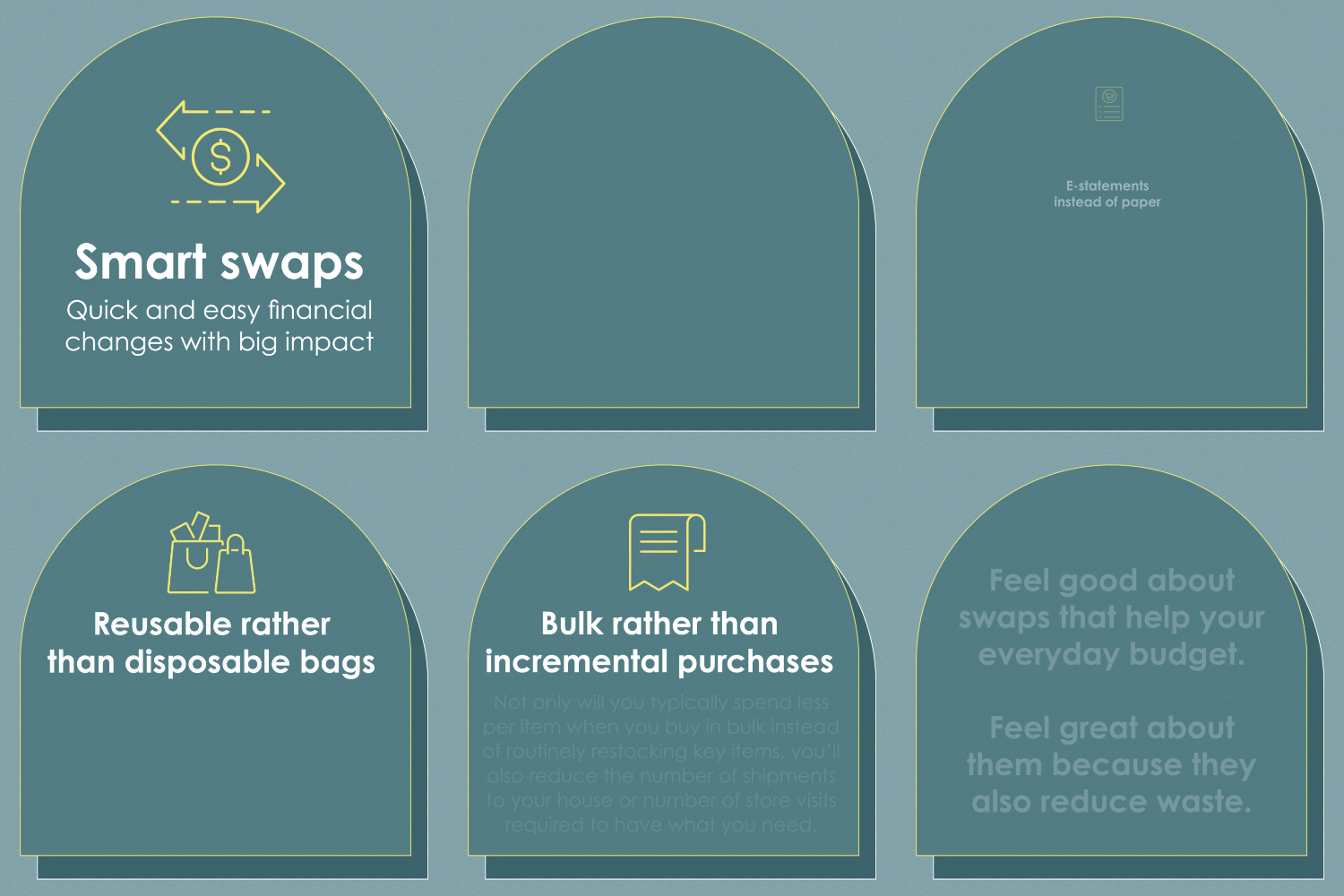
Start reducing purchases that don’t align with your budget or your sustainable priorities. Small changes such as opting for e-statements over paper, using reusable bags, cutting back on takeout orders or buying in bulk can add up to significant savings and environmental benefits.

Go electric
If you’re in the market for a new vehicle, consider going electric. In addition to saving money with fewer trips to the gas station, you’ll also help the planet by reducing emissions.

Make thoughtful home improvements
If you’re considering a home remodel or simply need to replace critical systems, such as your water heater or HVAC, choose efficient options (like sprayfoam insulation or tankless water heaters). These choices may have a higher up-front price tag, but they have benefits that are two-fold: Over time, you’ll save on monthly utilities due to reduced usage, AND less household usage translates to less ecological impact.
And even if you aren’t approaching something as significant as a remodel or appliance upgrade, you can start small by swapping all your incandescent light bulbs with LED bulbs to reduce electricity usage and your electric bill.